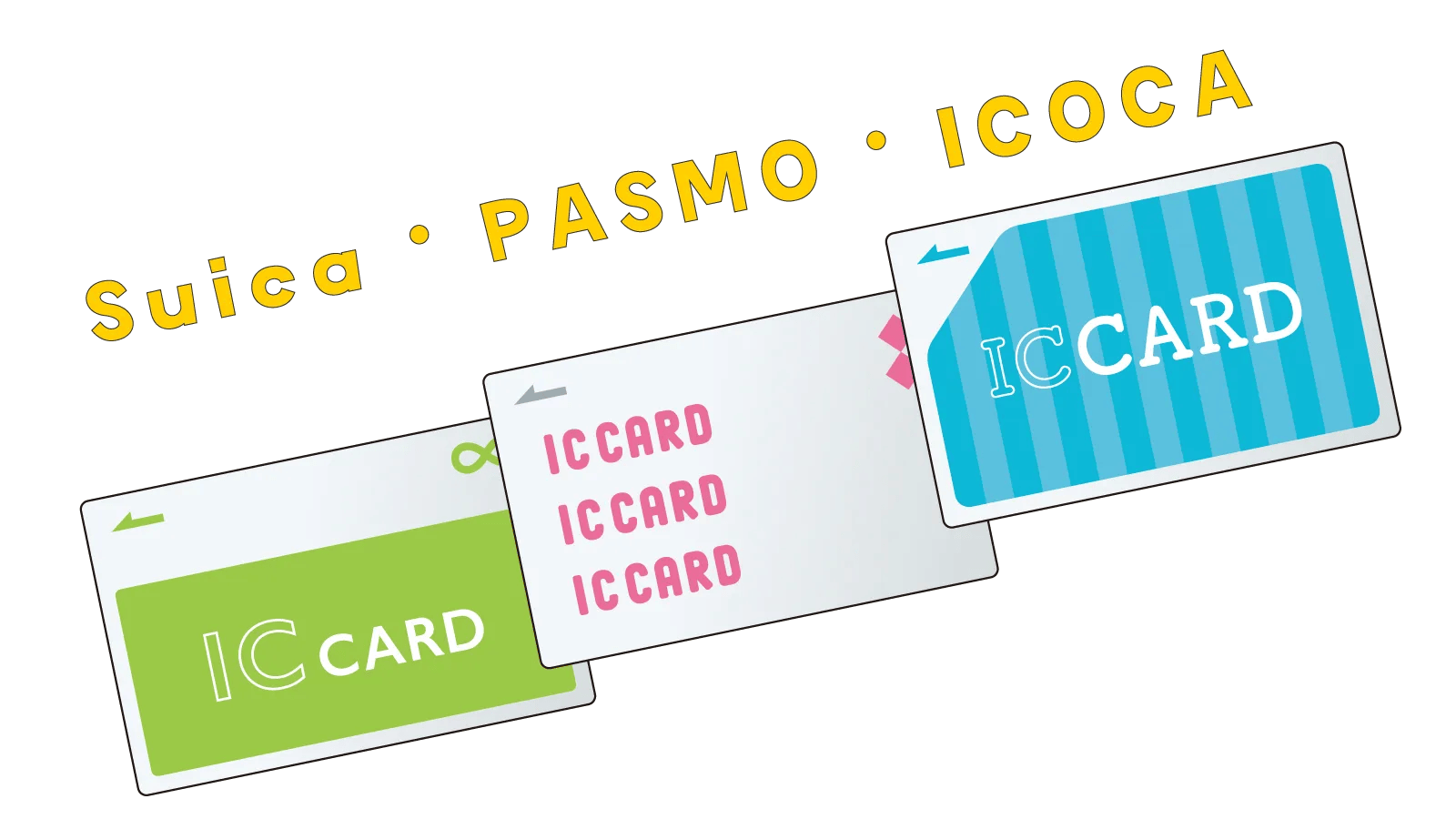
Buy whichever IC card is sold where you land. Suica, ICOCA, and PASMO are three of ten cards that work on each other's networks. A card bought in Tokyo taps through the gates in Osaka, and the other way round.
The choice that matters is the format. An iPhone can hold Suica, PASMO, or ICOCA in Apple Wallet, which saves you the plastic and the queue. An Android phone bought abroad cannot yet, so you need a physical card. This guide compares what each card costs, where visitors buy it, and how much money comes back.
One Network, Ten Cards: Why the Names Barely Matter

An IC card is a rechargeable contactless card that pays train and bus fares and small purchases with a tap. Osaka Metro's own FAQ names the ten cards its trains and buses accept: PiTaPa, ICOCA, Suica, PASMO, Kitaca, manaca, TOICA, Hayakaken, nimoca, and SUGOCA. PASMO's visitor site describes the same group as interoperable cards for trains, buses, and shopping at participating shops. Each belongs to a regional operator, which is why the names differ.
A tap works the same on all of them. You touch the reader at the ticket gate and the fare leaves your balance. JNTO adds that the cards also pay on buses and boats, in some taxis, and at vending machines and convenience stores. The name on the card says who sold it, not where it works.
What Each Visitor Card Costs and Where to Buy It
Visitor cards skip the ¥500 deposit that JNTO says most IC cards require, but they come with limits. Welcome Suica and TOURIST PASMO stop working 28 days after purchase, and TOURIST PASMO does not refund added value. Ordinary Suica and PASMO cards, which carry the usual deposit, went back on sale on 1 March 2025. JR East's announcement says sales had paused over card supply.
| Card | Cost to start | Where visitors buy it |
|---|---|---|
| Welcome Suica (JR East) | No deposit. Load ¥1,000 to ¥10,000 | JR East Travel Service Centers at Narita, Haneda Terminal 3, Tokyo, Shibuya, Shinjuku, Ikebukuro, Ueno, Yokohama, and Sendai, plus machines at Narita and Haneda Terminal 3 |
| TOURIST PASMO | No deposit. ¥1,000 to ¥10,000 at Haneda, ¥2,000 at Narita | Ticket machines at Haneda, the Keikyu Tourist Information Center at Haneda Terminal 3, and the Keisei information centers at Narita |
| Welcome Suica Mobile (JR East) | Issued and topped up in the app | The App Store, on iPhone only |
| ICOCA, visitor design (JR West) | ¥2,000 including a ¥500 deposit | The JR Ticket Office at Kansai Airport Station, with a passport and Temporary Visitor status, one card per person |
| ICOCA, standard (JR West) | ¥500 deposit included in the price | JR West ticket machines and offices in the ICOCA area, and the pink machines at Osaka Metro stations |
| Ordinary Suica or PASMO | ¥500 deposit on most cards | Sales points vary by operator, so ask at the station |
The sources are JR East's purchase page, PASMO's TOURIST PASMO page, JR West's visitor ICOCA page, and Osaka Metro's ICOCA page.
Picking a Card by Where You Land
Match the card to your arrival point and your phone, and ignore the brand. The same network of ten cards covers the rest of the trip.
- Landing at Narita or Haneda with an iPhone: add Suica to Apple Wallet, or install Welcome Suica Mobile. You skip the counter and the plastic.
- Landing at Narita or Haneda with an Android phone: buy Welcome Suica or TOURIST PASMO for a trip under 28 days. For a longer stay, buy an ordinary Suica or PASMO.
- Landing at Kansai Airport: buy the visitor design ICOCA at ¥2,000 including a ¥500 deposit. JR West also sells ICOCA & HARUKA, which pairs a ¥2,000 ICOCA with a discounted Haruka ticket to Tennoji, Shin-Osaka, or Kyoto.
- Taking the Shinkansen from Tokyo to Osaka: keep your Tokyo card. It works at the gates in Osaka, so there is nothing new to buy.
Suica and ICOCA in Apple Wallet, and the Android Gap

Apple's support page lists Suica, PASMO, ICOCA, and TOICA as transit cards you can add to Wallet in Japan. An iPhone 8 or later covers all four. In Wallet, tap Add, choose Transit Card, pick the card, and load an amount with a payment card already in Wallet.
If you already own an ordinary card, Apple lets you transfer it. The plastic stops working afterwards and its deposit moves into your Wallet balance. Your first transit card turns on Express Mode, which lets you tap through gates without Face ID or Touch ID. Only one card can use Express Mode at a time, so pick the card you will tap most.
Welcome Suica Mobile is the other iPhone route. The app issues a Suica that stays valid for 180 days from issue, and JR East says the remaining balance is non-refundable. It needs location services switched on, and JR East warns that some countries restrict downloads or top-ups until you reach Japan. Issuing a card in an app also needs a data connection, so sort out your phone first. We compare pocket Wi-Fi, SIM card, and eSIM options for Osaka.
Android is the gap. PASMO says Mobile PASMO is generally not compatible with Android phones bought outside Japan, and its support is in Japanese only. JR East plans to bring Welcome Suica Mobile to Samsung Galaxy phones sold from 2027, with a launch in the first half of 2027. Until then, an Android visitor needs a physical card.
Topping Up and Getting Your Money Back
Top-up rules matter more than purchase prices. ICOCA, Welcome Suica, and TOURIST PASMO share a ¥20,000 balance cap at station machines, and the method depends on the card.
- ICOCA: JR West machines take cash only. Osaka Metro machines reload in units of ¥1,000.
- Welcome Suica: use cash at machines carrying the Welcome Suica mark, or at Seven Bank ATMs in 7-Eleven and other convenience stores. JR East says a credit card cannot top up the plastic card.
- TOURIST PASMO: use cash at station machines.
- Wallet cards: top up inside the phone with a payment card.
ICOCA has a published refund rule. At a JR West ticket office in the ICOCA area, you get the ¥500 deposit back plus the remaining balance, less a ¥220 fee. If the balance is below ¥220, JR West deducts what is left and still returns the deposit.
Two visitor options give nothing back. TOURIST PASMO does not refund added value, and Welcome Suica Mobile does not refund its balance. Load small amounts, and spend the last of it on a convenience store snack, a vending machine drink, or a coin locker.
Four Limits to Know Before You Tap
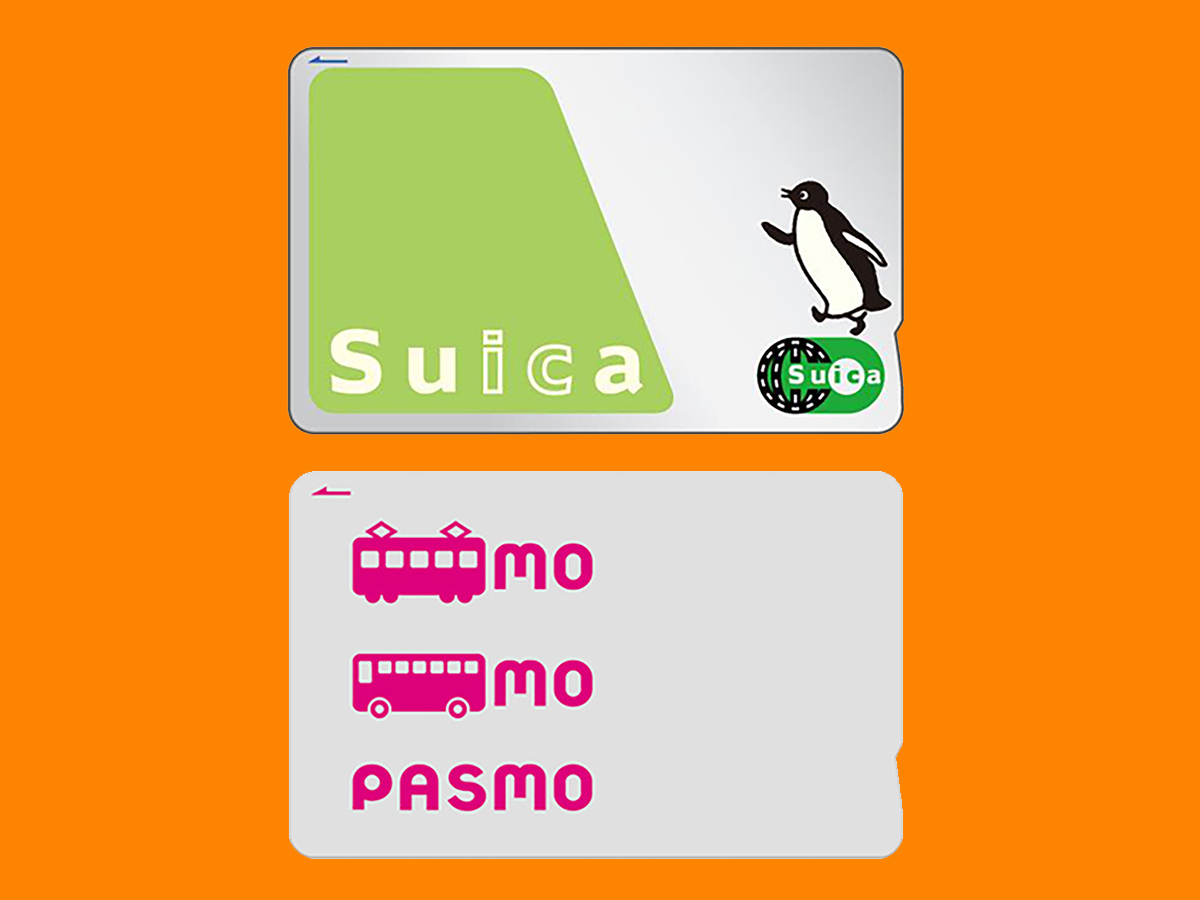
An IC card replaces small tickets, not every fare.
- The Shinkansen. JR West states that ICOCA cannot be used on the Shinkansen, and JR East says limited express rides need a related ticket bought in advance. Buy the Tokyo to Osaka Shinkansen ticket separately, and keep the card for the Metro and local trains at either end.
- Area boundaries. JR East says IC card travel cannot continue across its card areas, for example from the Tokyo area to the Sendai area. Leave the gate and tap in again.
- Shops without the logo. Shops must display the nationwide logo or a listed IC card logo, and PASMO notes that PiTaPa does not join the nationwide electronic money exchange. Look for the logo before you pay.
- A crowded wallet. Osaka Metro warns that other cards or items in a pass case can stop a card from reading. It also says two cards cannot be used at once. Tap the card by itself.
Using Suica, ICOCA, or PASMO in Osaka
Osaka Metro accepts all ten cards on its trains and city buses, and its ICOCA page says Mobile ICOCA and Apple Pay ICOCA work there too. One catch: Osaka Metro says some functions, including reloading, are not available for Mobile Suica. Top up an iPhone Suica in Wallet, not at a station machine. For the lines you will tap through, The guide to Osaka Metro lines, fares, and the interactive map is the place to start.
Two Osaka Metro rules save you at the gates. You need a balance of at least ¥10 to ride. If the balance falls short when you exit, reload at a fare adjustment machine before you pass the gate. Osaka Metro also applies transfers between its three Umeda stations (Umeda, Higashi-Umeda, and Nishi-Umeda) automatically when you tap a card. The guide to the link between Osaka Station and Umeda Station explains why those names confuse so many visitors.
Cards pay per ride, while passes bundle rides with admission. The comparison of the Osaka Amazing Pass against an ICOCA card works out which one fits a sightseeing day and which fits a quiet one.
Osaka day trips are the other test. The guide to Kansai rail passes, priced against single fares shows whether a pass saves money before you stack single fares on your card. The card is one line on the pre-arrival list, and what to know before travelling to Osaka covers the rest.
Questions About Japan IC Cards
Short answers for anyone choosing a card before a first trip to Japan.
What is an IC card in Japan?
An IC card is a rechargeable contactless card that pays train and bus fares and small purchases with a tap. Suica, ICOCA, and PASMO are the best known of ten regional cards that work on each other's networks. You load cash onto the card, and each tap deducts the fare or the purchase.
Is an IC card worth getting in Japan?
Yes for most visitors. One tap pays for local trains, buses, and many shops, so you skip buying a ticket at every station. It does not pay for the Shinkansen, which you still buy separately. Skip the card only on days when a pass already covers every ride.
Can you use Suica in Osaka?
Yes. Suica is one of ten IC cards that Osaka Metro accepts on its trains and buses, alongside ICOCA and PASMO. Mobile Suica works too, but Osaka Metro machines cannot reload it, so top it up in your phone. Shops need to show a nationwide IC card logo.
Can tourists buy a Suica or PASMO card?
Yes. Welcome Suica and TOURIST PASMO are the visitor cards, with no deposit and 28 days of use. Ordinary Suica and PASMO cards also went back on sale on 1 March 2025 after a suspension over card supply. JNTO says most ordinary IC cards carry a ¥500 deposit.
Which is better, ICOCA or Suica?
Neither, because they work on the same network of ten cards. A Suica taps through gates in Osaka and an ICOCA works in Tokyo. Buy the one sold at your arrival airport. The visitor ICOCA costs ¥2,000 including a ¥500 deposit at Kansai Airport Station, while Welcome Suica has no deposit.
Can you add Suica, PASMO, or ICOCA to an iPhone?
Yes. Apple lists Suica, PASMO, ICOCA, and TOICA for Wallet on an iPhone 8 or later. JR East's Welcome Suica Mobile app also issues a Suica on iPhone, valid for 180 days with no refund of unused balance. Android phones bought abroad are generally not supported yet.
How do you get your money back from an ICOCA?
Take the card to a JR West ticket office in the ICOCA area. You get the ¥500 deposit back plus the remaining balance, less a ¥220 fee. If the balance is below ¥220, the balance is deducted and the deposit is still returned. TOURIST PASMO does not refund unused value.